
What Is Ayurvedic Skin Care? Principles, Benefits & Daily Routine
Ayurvedic skin care is a 5,000-year-old wellness system rooted in the ancient Indian science of Ayurveda. It focuses on restoring the skin’s natural balance using herbs, oils, minerals, and lifestyle practices tailored to an individual’s unique body constitution. Unlike chemical-based skincare that only treats external symptoms, Ayurveda works on the internal root causes of dullness, acne, pigmentation, premature aging, dryness, and inflammation.
What Is Ayurvedic Skin Care? (Concept & Foundations)
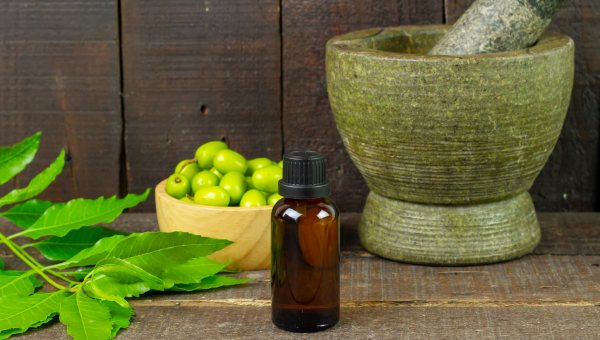
Ayurvedic skin care is a holistic beauty approach based on the belief that your skin reflects your internal health. In Ayurveda, your skin condition depends on your dosha—Vata, Pitta, or Kapha. Every individual has a dominant dosha, and any imbalance manifests as skin concerns.
The three doshas and their skin types
Vata Skin (Dry & Sensitive)
Thin, rough, prone to dryness, flakiness, wrinkles, and dehydration. Needs deep nourishment and warm oils.Pitta Skin (Sensitive & Combination)
Soft, fair, prone to redness, acne, pigmentation, sunburn, and inflammation. Requires cooling, soothing herbs.Kapha Skin (Oily & Thick)
Smooth, glowing, but prone to clogged pores, acne, and excess oil. Needs detoxification and exfoliation.
Ayurvedic skin care does not follow a one-product-fits-all model. Instead, it focuses on personalized care through herbs, nutrition, sleep, stress management, and natural formulations.
How Ayurveda views skin health
According to Ayurveda, skin health depends on three layers:
Outer Layer (Rasa Dhatu): Hydration, glow, and softness.
Middle Layer (Rakta Dhatu): Detoxification, acne control, pigmentation.
Inner Layer (Mamsa Dhatu): Firmness, elasticity, muscle tone.
When these layers are nourished through herbs, oils, and lifestyle habits, the skin becomes naturally radiant.
Why Ayurvedic skin care is different
It treats the underlying cause of skin issues.
It uses natural herbal ingredients.
It improves both internal and external health.
It focuses on long-term, sustainable beauty.
Ayurveda believes beauty is a reflection of balance—when mind, body, and skin work in harmony, your glow becomes effortless.
Key Principles of Ayurvedic Skin Care

Ayurvedic skincare is built on specific principles that focus on overall well-being. These principles make Ayurveda different, safe, and highly effective.
Principle 1: Balance your doshas
Every treatment begins by identifying and balancing your dosha.
A Vata imbalance leads to dryness.
A Pitta imbalance leads to sensitivity, acne, and inflammation.
A Kapha imbalance causes oiliness, dullness, and clogged pores.
The goal is harmony, not perfection.
Principle 2: Heal the root cause
If you have acne, Ayurveda asks:
Is digestion weak?
Is stress increasing heat in the body?
Is sleep poor?
Skin problems reflect internal imbalances—Ayurveda corrects them.
Principle 3: Use natural herbs & oils
Ayurveda relies on:
Neem (acne)
Aloe Vera (hydration)
Turmeric (glow, anti-inflammatory)
Kumkumadi oil (radiance)
Ashwagandha (anti-aging)
Bhringraj (hair health)
Mulethi (brightening, pigmentation)
These ingredients nourish the skin rather than damage it with chemicals.
Principle 4: Detoxification is essential
Ayurveda emphasises:
Removing toxins (Ama)
Reducing inflammation
Improving blood purification
Regular detox helps clear acne, pigmentation, and dullness.
Principle 5: Mind–Body–Skin connection
Skin is affected by:
Stress
Hormonal imbalance
Sleep quality
Diet
Emotions
Ayurveda uses rituals like meditation, yoga, and abhyanga (self-massage) to improve the glow from within.
Benefits of Ayurvedic Skin Care

Ayurvedic skincare is not just about beauty—it supports overall health. Its benefits are long-lasting, safe, and suitable for all skin types.
1. Enhances Natural Glow & Radiance
Ayurvedic herbs increase circulation, improve hydration, and nurture the deeper layers of the skin.
Regular use results in:
Brighter complexion
Even tone
Sculpted appearance
2. Reduces Acne & Blemishes
Neem, turmeric, tulsi, and manjistha purify the blood and control bacteria.
Ayurveda improves:
Active acne
Blackheads
Whiteheads
Old acne marks
3. Slows Down Aging Naturally
Ingredients like:
Kumkumadi Tailam
Ashwagandha
Aloe Vera
Saffron
help reduce wrinkles, fine lines, sagging, and pigmentation.
4. Deeply Nourishes and Hydrates
Ayurvedic oils like almond, coconut, sesame, and jatamansi hydrate the skin without chemicals.
Perfect for dry or mature skin.
5. Improves Skin Texture
Ayurvedic scrubs with:
Haldi
Chandan
Mulethi
Multani Mitti
remove dead skin cells gently, making skin smooth and glowing.
6. Suitable for Sensitive Skin
Because Ayurveda uses natural, safe, and time-tested herbs, it works beautifully for sensitive skin types that react to chemicals.
7. Supports Mental & Emotional Wellness
Ayurveda reduces stress, improving:
Hormonal balance
Skin clarity
Sleep quality
Stress reduction is one of the biggest contributors to glowing skin.
Daily Ayurvedic Skin Care Routine (Morning + Night)
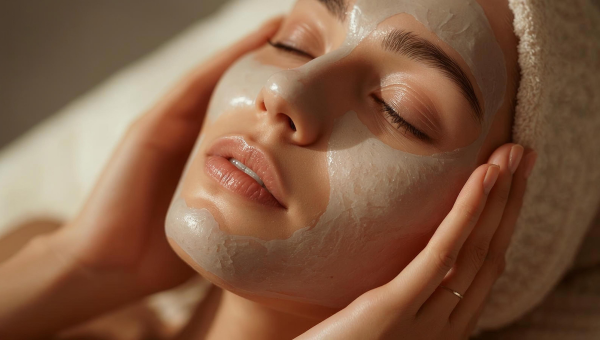
A consistent daily routine is essential to maintain skin health. Here is a simple, effective Ayurvedic skincare routine that anyone can follow.
Morning Routine
Step 1: Cleanse
Use a herbal cleanser made of neem, aloe vera, rose, or besan + turmeric mix.
Cleansing removes dirt, oil, and overnight impurities.
Step 2: Tone (Optional)
Use rose water or cucumber water.
These balance pH levels and tighten pores.
Step 3: Nourish / Apply Serum
Use natural serums like:
Kumkumadi serum
Saundarya Veda Anti Spot Radiance Serum
Aloe Vera gel-based serum
This step targets pigmentation, dullness, and aging.
Step 4: Moisturize
Use a natural moisturizer suited to your dosha:
Vata: heavy oils (almond, sesame)
Pitta: cooling gels (aloe, rose)
Kapha: light non-sticky moisturizers
Step 5: Apply Sunscreen (Mandatory)
Ayurveda recommends natural sunscreens like:
Turmeric
Red Sandalwood
Aloe Vera
Even if you stay indoors, sunscreen is essential.
Night Routine
Step 1: Deep Cleanse
Use a mild herbal cleanser. This removes dust, makeup, and pollution.
Step 2: Facial Steam (2–3 times weekly)
Add tulsi or neem leaves to hot water.
This opens pores and detoxifies.
Step 3: Apply Treatment Product
Use:
Kumkumadi oil
Anti Spot Radiance Serum
Aloe Turmeric Gel
These absorb better at night.
Step 4: Moisturize
Apply a light night cream or oil to nourish the skin while sleeping.
Step 5: Sleep Ritual
Ayurveda recommends:
Warm milk with turmeric
Light meditation
Head massage with oil
This reduces stress and improves skin glow naturally.
Ayurvedic Skin Care Diet & Lifestyle (The Internal Glow)
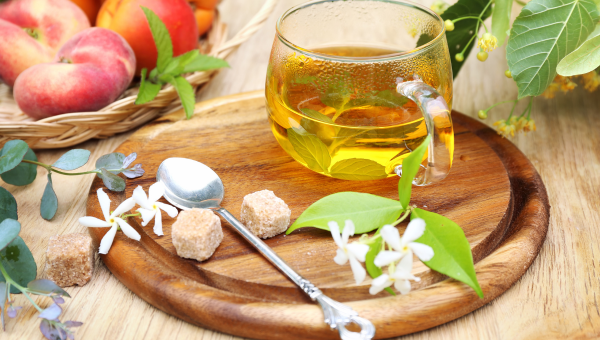
Ayurvedic skincare is incomplete without internal nourishment.
Your food, sleep, emotions, and daily habits create the foundation of your skin health.
1. Ayurvedic Diet for Clear Skin
Eat foods that pacify your dosha:
Vata: warm soups, ghee, nuts
Pitta: cooling foods like cucumber, coconut water, melon
Kapha: light foods like green vegetables, fruits, herbal teas
Avoid:
Junk
Excess sugar
Fried food
Late-night eating
These increase toxins and worsen skin issues.
2. Drink Detox Waters
Cumin–coriander–fennel water
Warm lemon water
Aloe vera juice
These cleanse the digestive system and reduce inflammation.
3. Practice Abhyanga (Self-Massage)
A daily 10-minute oil massage:
Improves blood flow
Reduces stress
Tightens skin
Removes toxins
Use sesame or coconut oil depending on your skin type.
4. Manage Stress
Stress is the root cause of acne, hair fall, early wrinkles, and pigmentation.
Ayurveda recommends:
Yoga
Meditation
Pranayama
Small practices create long-term skin transformation.
5. Sleep Well (Ayurvedic Beauty Sleep)
Sleep is the foundation of regeneration.
Ayurveda calls it Nidra – the mother of health.
Sleep helps:
Repair skin
Balance hormones
Reduce wrinkles
Minimum 7–8 hours is essential.
Conclusion
Ayurvedic skin care is more than a beauty ritual—it is a lifestyle. By understanding your dosha, adopting natural herbs, and maintaining a disciplined routine, you can achieve long-lasting radiance, improved texture, fewer skin issues, and an inner glow that reflects on your face.